

5 Versatile Clothing Staples for a Professional Wardrobe
Quick Summary
Five versatile clothing staples for a professional wardrobe are a tailored blazer, dress pants that fit your shape, a button-down shirt, a layering knit top, and a structured tote with shoes. Each piece pairs with at least three others, so the set creates many outfits from few items.
- Choose a tailored blazer with a structured shoulder and a neutral color like black, navy, or camel.
- A wool or wool-blend blazer resists wrinkles across a full workday.
- Check that the blazer's shoulder seam sits at the edge of your shoulder, not past it.
- Pick dress pants that fit through the waist and hip, since that is where fit problems start.
- A structured tote and two pairs of shoes cover most work settings.
Table of Contents
- Why Five Pieces Is Enough to Dress for Work
- Staple 1: The Tailored Blazer
- Staple 2: Dress Pants That Fit Your Shape
- Staple 3: The Button-Down Shirt
- Staple 4: The Knit Top for Layering
- Staple 5: The Structured Tote and Footwear Edit
- Your Work Capsule Wardrobe Checklist and Next Step
- Frequently Asked Questions
Why Five Pieces Is Enough to Dress for Work
Last Updated: November 12, 2026
Building a professional wardrobe does not require a closet full of clothes. A small set of well-chosen staples can carry you through most workdays, from client meetings to casual Fridays. Many shoppers find that a working wardrobe can be built around five pieces that mix and match easily. The goal is a capsule wardrobe: fewer items, chosen carefully, that work together.
Five staples cover most of the ground. A tailored blazer, dress pants that fit your shape, a button-down shirt, a layering knit top, and a structured bag with the right shoes give you dozens of combinations. Each piece earns its place because it works with at least three others.
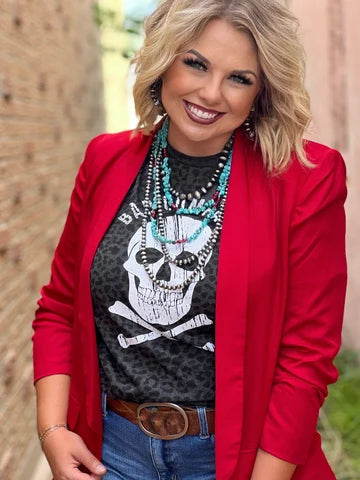
The math is simple. Five pieces that pair with each other produce far more outfits than five random items. Start with the core, then add a few accent pieces as your schedule demands.
Staple 1: The Tailored Blazer
A tailored blazer is the single most useful piece for a professional wardrobe because it changes the register of everything it touches. It turns jeans into business casual, a plain dress into a polished meeting outfit, and a knit top into something client-ready. A well-fitting blazer does a lot of work in a wardrobe, which is why it earns the first slot in a five-piece edit.

What to look for in construction. A structured shoulder gives the jacket its shape and keeps it from collapsing after a long day. A clean notch lapel is the most versatile choice; peak lapels read more formal and shawl collars read more evening. Check the lining, a full lining helps the jacket slide over shirts and knits, while an unlined or half-lined jacket is lighter for warm offices. Look at the seam allowance and buttonhole stitching; loose, uneven stitching is the first sign a blazer will not hold up to weekly wear.
Fabric matters more than color. A wool or wool-blend jacket resists wrinkles and holds its shape across a full workday. Polyester blends cost less and travel well but can shine under office lighting. Cotton and linen blends breathe in summer but crease quickly, so they suit business-casual settings better than formal ones. If you wear the blazer two or three times a week, a mid-weight wool blend is the most durable choice for the money.
Fit checkpoints. The shoulder seam should sit at the edge of your shoulder, not past it. Button the jacket and slide two fingers under the lapel, if you can fit more, it is too loose; if you cannot fit two, it is too tight. The sleeve should end at the wrist bone so a half inch of shirt cuff shows. A tailor can shorten sleeves and take in the waist for a modest fee, often less than the cost of a second jacket.
Color and cost per wear. Black, navy, and camel pair with the widest range of pieces. A neutral blazer worn twice a week for a year delivers a low cost per wear compared with a statement color worn once a month. If your budget is tight, buy the neutral first and add a second color later.
Our Jessie Tailored Blazer is a good example of a piece that moves easily from the office to an evening out.
Styling tip: Wear the blazer open over a knit top for a relaxed look, or buttoned over a button-down for a formal meeting. For a third formula, layer it over a simple dress and add flats for a business-casual day.
Watch out: A blazer that pulls at the button when closed will look strained all day, size up and tailor down rather than buying tight.
The key checkpoints for a blazer that will hold up to weekly wear are summarised below.
| Checkpoint | What to look for | Note |
|---|---|---|
| Shoulder seam | Sits at the edge of the shoulder | Not past it |
| Lapel fit | Fits two fingers under the lapel | More means too loose, fewer means too tight |
| Sleeve length | Ends at the wrist bone | Half inch of shirt cuff shows |
| Fabric | Wool or wool blend | Resists wrinkles across a workday |
| Colour | Black, navy or camel | Pairs with the widest range of pieces |
| Tailoring | Sleeves shortened, waist taken in | Often less than a second jacket |
Staple 2: Dress Pants That Fit Your Shape
Dress pants do the most work when they fit well through the waist and hip, because that is where most fit problems start. A pair that fits the waist but pulls across the seat, or fits the hip but gaps at the back, will sit in your closet no matter how good the color is. The goal is a pair you can wear two or three times a week without adjusting them.
Rise and leg width. Choose a rise that sits where you are comfortable, high-rise pants stay in place through a full day of sitting and standing, while mid-rise suits people who prefer a lower waistline. For leg width, a straight or slightly tapered leg works with both heels and flats; a wide leg needs a shoe with some visual weight so the hem does not swallow your foot. Petite and tall shoppers should check the inseam measurement rather than relying on regular sizing, since a hem that is too long breaks the line of the pant.
Fabric and stretch. A wool blend or a ponte knit holds its shape and resists wrinkles; a high-stretch fabric feels comfortable but can bag at the knee by afternoon. Check the fabric content, a small amount of stretch (around 2 to 5 percent) gives movement without losing structure. Dark neutrals such as black, navy, and charcoal hide creases and pair with the widest range of tops.
Cost per wear and buying priority. Pants take more wear than almost any other piece, so this is where to invest rather than save. A pair worn twice a week for a year delivers a lower cost per wear than a cheaper pair that loses shape after a month. If your budget is limited, buy one well-fitting neutral pair first and add a second color once you know the fit works.
Our Honest Work High Waisted Trousers offer a high rise that many shoppers find flattering, and they sit well with both heels and flats.
Outfit formulas. Pair the pants with the blazer and a button-down for a formal meeting; with the knit top and flats for a business-casual day; or with the blazer and clean sneakers for a creative-office Friday. That is three distinct looks from one pair of pants.
Common mistake: Buying pants in the size you usually wear without checking the waist and hip measurements. Brands cut differently, so compare the size chart before you order.
Watch out: A hem that drags on the floor will fray within weeks, have it shortened before you wear the pants to work.
Staple 3: The Button-Down Shirt
A crisp button-down shirt is the foundation of most professional outfits. It works under a blazer, tucked into trousers, or worn open with a camisole underneath. A white or light blue shirt covers the widest range of looks.
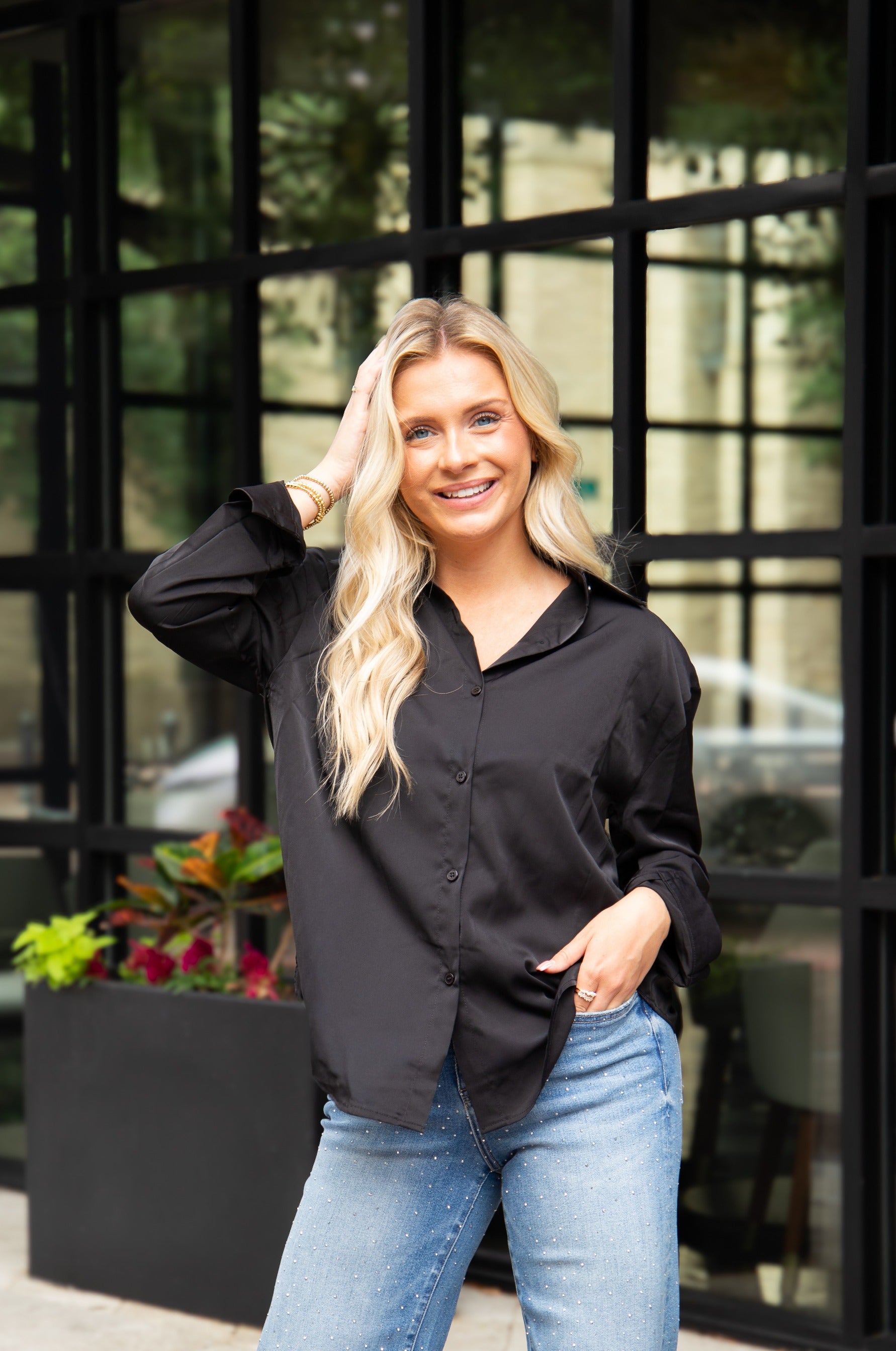
For a clean, professional finish, try our Keep It Profesh Button Up Top, which suits both the office and after-hours plans.
Styling tip: Roll the sleeves to the forearm for a casual touch, or button them at the wrist for formal settings.
Staple 4: The Knit Top for Layering
A knit top adds comfort and texture to a capsule wardrobe. It layers under a blazer or cardigan on cooler days and works alone when the weather warms up. Choose a fabric with some stretch so it moves with you through a full day.
Our Closing Time Mock Neck Blouse has a mock neckline that adds polish without a collar, and it pairs well with dress pants or jeans.
Watch out: Thin knits can show undergarments under bright office lighting. Check the fabric in natural light before you commit to a color.
Staple 5: The Structured Tote and Footwear Edit
A structured tote carries a laptop, notebook, and daily essentials while keeping its shape. Pair it with one pair of low heels or polished flats and one pair of clean sneakers for commuting. Three shoe options cover most work settings.
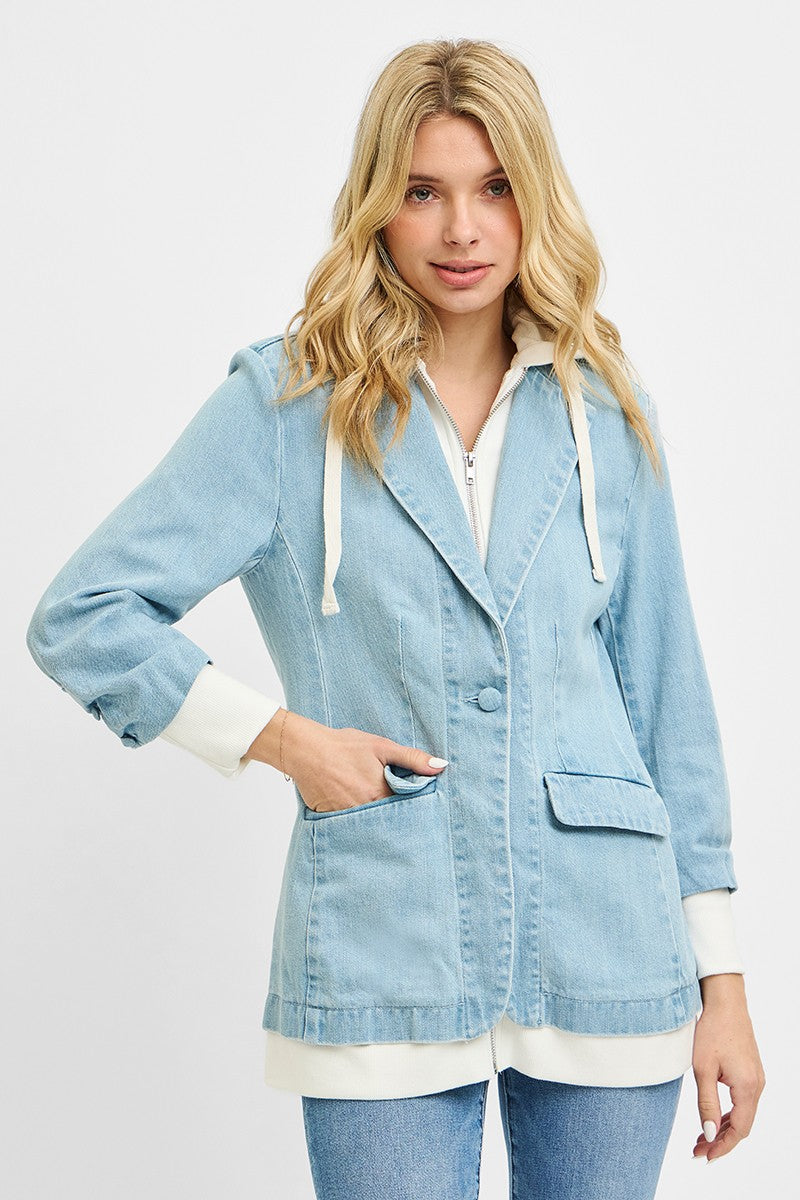
Keep the bag and shoes in neutral tones so they match the core pieces. Add a Risen One Button Blazer With Hoodie Jacket as a lightweight layer for transitional weather.
Your Work Capsule Wardrobe Checklist and Next Step
Use this checklist to test your wardrobe before you buy:
- One tailored blazer in a neutral color
- Dress pants that fit at the waist and hip
- Two button-down shirts in white and a light shade
- One knit top for layering
- A structured tote and two pairs of shoes
If your wardrobe covers these five areas, you can build at least fifteen work outfits from them. Start with the blazer and pants, then add one piece at a time.
Explore the full collection to find pieces that fit your shape, your schedule, and your budget.
Frequently Asked Questions
What are the top 5 wardrobe essentials for work?
A tailored blazer, dress pants with a fit you can wear every week, a crisp button-down shirt, a versatile knit top and a structured tote cover most workplace dress codes. Together they give you at least a dozen outfit combinations with pieces that mix and match. Start with fit and neutral colors, then add accent pieces once the core five are working for your schedule and body.
How do you build a professional capsule wardrobe on a budget?
Start with the five core staples and buy them in neutral colors so every piece pairs with the others. Plan a budget tier for each item, and calculate cost per wear: a $76.00 pair of pants worn 100 times costs less per wear than a cheaper pair you rarely reach for. Buy one piece at a time as your current wardrobe wears out, not all at once.
What should a young professional wear to work?
Most young professionals need a blazer, tailored trousers or a skirt, button-down shirts and a few knit tops that layer well. Check your workplace dress code first, since business casual often allows knits and jeans while formal offices expect suiting. Consider your climate too: lighter fabrics and long sleeves work across seasons, and a layer like a blazer adapts an outfit to a cooler office.
How can you make a work wardrobe more versatile?
Choose staples in a shared neutral palette, such as black, navy, white and camel, so every top works with every bottom. Pick pieces that move from desk to dinner, like a blazer over a knit top, then add one accent item per season. Fit matters most for versatility: a piece that fits well is easier to style than one that pulls or gapes, so check sizing before you buy.
