

How to Measure Body for Clothing: A Step-by-Step Guide
Table of Contents
- What You'll Need to Measure Accurately
- How to Measure Bust for Clothing
- How to Measure Waist and Hips
- How to Measure Inseam for Pants
- Additional Measurements for the Perfect Fit
- Understanding Size Charts for Women
- Common Mistakes to Avoid When Measuring
- Frequently Asked Questions
Last Updated: September 26, 2026
What You'll Need to Measure Accurately
Taking accurate body measurements requires just a few essential tools. A soft measuring tape is non-negotiable, it should be flexible, not rigid, so it conforms to your body's curves without pulling or stretching. A full-length mirror helps you maintain proper posture and see what you're doing, which is critical for consistent measurements. Wear fitted clothing or undergarments when measuring, as loose fabrics add inches that don't reflect your actual body dimensions.
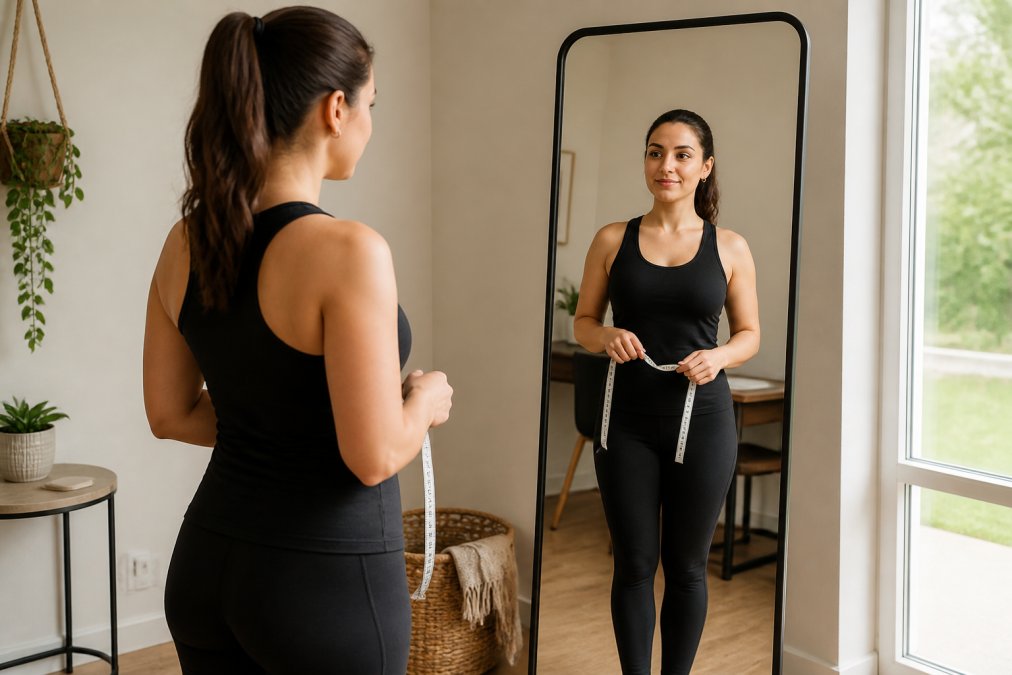
Before you start, stand with your feet shoulder-width apart and your posture naturally straight. Avoid tensing your muscles or holding your breath, as both artificially change your measurements. Keep the tape measure parallel to the floor when measuring around your body, this prevents angled readings that skew your results. A notebook or phone to record measurements immediately after taking them ensures you don't forget the numbers. We recommend measuring yourself at the same time of day, ideally in the morning before eating, since body measurements can shift slightly throughout the day due to water retention and digestion.
How to Measure Bust for Clothing
Your bust circumference is the foundation for fitting tops, dresses, and jackets properly. Stand straight and place the tape measure around the fullest part of your chest, keeping it parallel to the floor. The tape should be snug but not tight, you should be able to slip one finger underneath comfortably. This measurement determines whether a garment will fit across your shoulders and chest without pulling or gaping.
The fullest part of your bust is typically at the nipple line, but body proportions vary. If your bust is fuller above or below that line, measure at the point where your chest extends furthest. Record this number as your bust circumference. Many women find their bust measurement is the same as their hip measurement, while others have significant differences, both are completely normal.
When shopping for form-fitting clothing like the Lily Hi-Waisted Tummy Control Jeans, understanding your bust measurement helps you choose styles that accommodate your body proportions. Tops that fit your bust should leave enough room at the waist and hips so the garment drapes naturally rather than pulling across your midsection.

How to Measure Waist and Hips
Your natural waistline is where your body bends when you lean to the side. Find this spot by placing your hands on your sides and bending gently, your waist is where you naturally crease. Wrap the tape measure around this point, keeping it parallel to the floor. The tape should feel snug without compressing your body. Many people measure their waist too high or too low, which creates sizing confusion when shopping online.
Hip measurement is equally important for how to measure body for clothing correctly. Your hips are typically the widest part of your lower body, usually around 7-9 inches below your natural waistline. Measure around the fullest part of your hip and buttocks, keeping the tape parallel to the floor. Stand with your feet together for this measurement to avoid artificially widening your hip circumference.
The difference between your waist and hip measurements determines which styles will flatter your body. If your waist is significantly smaller than your hips, fitted styles with defined waistlines will emphasize your proportions. If your waist and hips are closer in measurement, you may prefer straight-cut or slightly relaxed styles. Understanding this relationship helps you select garments that work with your body rather than against it.
How to Measure Inseam for Pants
Inseam measurement is critical for how to measure body for clothing when buying pants, jeans, or long skirts. Your inseam is the distance from your inner thigh to your ankle. The easiest way to measure this is to wear shoes you'll typically pair with pants, then measure from your crotch to the top of your shoe heel. This accounts for the heel height you'll usually wear with that style of pants.

Alternatively, measure the inseam on a pair of pants that fit you well. Lay them flat on a table and measure from the crotch seam to the hem. This gives you a reference point for your typical inseam length. Keep in mind that different rise heights affect how your inseam looks, a lower-rise pant will have a longer inseam than a high-rise style in the same size.
The rise of a pant, the distance from your waistband to your crotch, also affects the overall fit. High-rise pants sit at your natural waistline, while mid-rise and low-rise styles sit lower on your hips. A higher rise typically feels more comfortable if you have a longer torso, while a lower rise works better for shorter torsos. The Judy Blue Full Size High Waist Tummy Control Denim Shorts Plus Size feature a 12.3-inch rise in larger sizes, which provides coverage and support for many body types.

Additional Measurements for the Perfect Fit
Beyond bust, waist, hips, and inseam, several additional measurements help you achieve a truly custom fit. Your shoulder width, measured from the top of one shoulder to the top of the other, determines whether tops will sit properly on your frame. Measure this by placing the tape measure across the back of your shoulders at the highest point. Garments with shoulders that are too narrow will pull across your back, while shoulders that are too wide will slip down your arms.
Sleeve length is measured from the center back of your neck, across your shoulder, and down your arm to your wrist. This measurement ensures that long sleeves and jacket sleeves end at the correct point on your wrist. Arm circumference, measured around the fullest part of your bicep, helps you choose fitted styles that won't restrict movement.
Neck circumference matters for how tops and dresses will sit around your neckline. Measure around the base of your neck where a collar would sit, keeping the tape snug but not tight. For dresses and gowns, your body length, measured from the highest point of your shoulder down to the floor, ensures hemlines fall at the right spot. These secondary measurements become increasingly important when shopping for specific garment types or when you need a more precise fit.
Understanding Size Charts for Women
Size charts vary significantly between brands, which is why measuring body for clothing is so important before ordering online. A size 8 at one brand might be quite different from a size 8 at another. Always compare your measurements to a brand's specific size chart rather than assuming your usual size will fit. Most brands list measurements for bust, waist, hips, and sometimes sleeve length or body length on their size charts.
When reading a size chart, look for the garment measurements, not body measurements.
Common Mistakes to Avoid When Measuring
The most frequent error when taking measurements is not standing in proper posture. Slouching or leaning to one side changes your measurements by a quarter-inch to a full inch, depending on the area. Always stand with your shoulders back, feet shoulder-width apart, and your weight evenly distributed. Ask someone to help you measure if you're struggling to keep the tape parallel to the floor or maintain consistent tension.
Frequently Asked Questions
How do I know my body size for clothes?
Take accurate measurements of your bust circumference, natural waistline, hips, and inseam, then compare them to a brand's size chart. Your true measurements determine your actual size, not the number on a tag. Different brands cut differently, so always check their specific size chart. Harper & Co. provides detailed garment measurements for each size, making it easy to find pieces that fit your body proportions.
Should I measure over or under my clothes for the best fit?
Measure directly against your skin or wear a thin layer like a t-shirt for the most accurate results. Remove bulky clothing, bras with padding, or shapewear that would add inches. Stand straight and keep the tape measure snug but not tight, it should lay flat parallel to the floor without digging in. Accurate measurements prevent ordering the wrong size and ensure your clothes fit as designed.
How do I measure my inseam correctly?
Wear the shoes you plan to wear with the pants, stand barefoot or in flat shoes, and have someone measure from your inner thigh where it meets your body down to your ankle bone. Alternatively, measure the inseam of pants that fit you well by laying them flat and measuring from the crotch seam to the hem. Check the garment's measurements, like the Lily Hi-Waisted Tummy Control Jeans, which offers a 28-inch inseam in most sizes, to ensure the length matches your needs.
What are the most important body measurements to take?
The three essential measurements are bust circumference, natural waist, and hip measurement. For pants and skirts, inseam is critical. These four measurements cover 90% of fit issues. Shoulder width, sleeve length, and rise (the distance from waistband to crotch seam) matter for specific garment types. Understanding your body proportions and how much positive ease (extra room) you prefer helps you choose pieces that flatter your frame and feel comfortable all day.
Finding the right fit shouldn't require ordering multiple sizes and paying return shipping. When you know how to measure body for clothing accurately, you can shop with confidence online and find pieces that work for your unique proportions. Harper & Co. makes this easier with detailed size charts and a curated selection of size-inclusive pieces designed to fit real bodies. Shop our collection and discover pieces that celebrate your body exactly as it is.