

Best Size Inclusive Boutique Clothing Brands 2026
Table of Contents
- What Makes a Boutique Truly Size Inclusive in 2026
- How to Measure Yourself for Boutique Clothing
- Tips for Shopping Size Inclusive Brands
- Size Inclusive Fashion Trends 2026
- Building a Capsule Wardrobe with Size Inclusive Pieces
- Conclusion
- Frequently Asked Questions
Last Updated: September 25, 2026
What Makes a Boutique Truly Size Inclusive in 2026
Finding the best size inclusive boutique clothing brands 2026 has to offer starts with one question: does this size inclusive boutique design for your body, or just scale up a smaller pattern? At Harper & Co., we built our fit philosophy around that distinction. A boutique earns the label "size inclusive" only when its size range is backed by real fit testing across body types, not when it simply adds a few larger sizes to an existing size chart.
That difference matters more than ever.
Extended Sizing vs. Vanity Sizing
The quickest way to tell the two apart is the size chart itself. A size-inclusive brand lists body measurements, not just garment measurements, and those numbers stay consistent across every product category. A vanity-sizing brand lets the numbers drift, so you're a medium in one top and a large in another from the same label.
The 3-3-3 Rule for Choosing Wardrobe Staples
Most shoppers overbuy trend pieces and underbuy foundations. The fix is the 3-3-3 rule: three tops, three bottoms, and three layering or dress pieces that work together in at least three combinations each, 27 outfits from nine pieces.
How to Measure Yourself for Boutique Clothing
Learning how to measure yourself for boutique clothing takes about five minutes and one soft tape measure. The payoff is a fit that matches the size chart on the first try, cutting down on returns and guesswork.
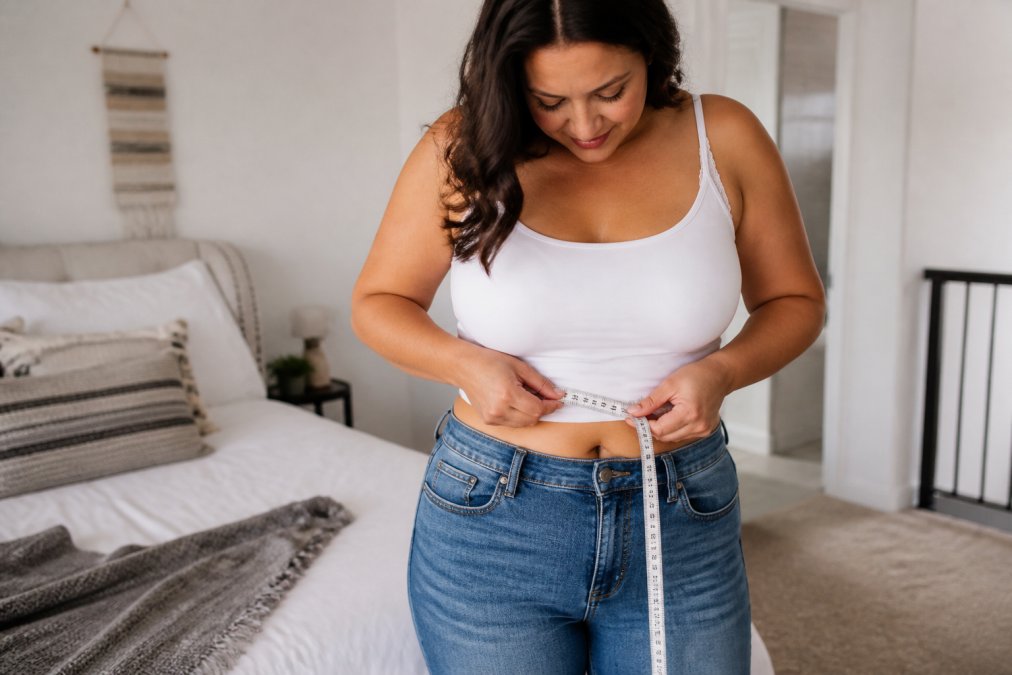
- Bust: around the fullest part of your chest, tape level under the arms
- Waist: at your natural waist, the narrowest point above the belly button
- Hips: around the fullest part of your seat, feet together
- Inseam: from the crotch seam to the hem of a pair of pants that fit you well
- Torso length: from the shoulder seam to the crotch, useful for dresses and rompers
- Upper arm: around the fullest part of the bicep, relaxed, the measurement most size charts omit and the one that decides whether a fitted sleeve actually moves with you
- Rise: from the crotch seam up to where you want the waistband to sit, front and back, the single number that explains why two pairs of jeans in the same size fit differently
Key Measurements and Size Chart Accuracy
Size chart accuracy comes down to whether the brand measures the body or the garment. Body measurements tell you what will fit. Garment measurements tell you how the fabric is cut, which matters most for structured pieces like denim and blazers.
- Measure at the end of the day. Bodies shift slightly over the course of a day; afternoon numbers are usually closer to how a garment will actually sit.
- Measure twice, on two different days. If the numbers disagree by more than half an inch, split the difference.
- Note your shape, not just your size. Two shoppers with the same 42-inch hip can need different cuts depending on whether fullness sits at the seat, the thigh, or the waist. Write down which describes you and read each product page's fit notes against it.
- Keep a photo of your chart. A screenshot in your phone's favorites beats re-measuring in a fitting room.
When Your Measurements Straddle Two Sizes
Most shoppers don't land neatly inside one column of a size chart. The general rule: size to the measurement the garment can't stretch to accommodate. A woven blouse with no give should be sized to your bust; a knit dress with four-way stretch can be sized to your waist. Structured denim should be sized to your hip, because the waistband is the part that gives.
Tips for Shopping Size Inclusive Brands
The best tips for shopping size inclusive brands start with reading the return policy before the product page. A generous, clearly written return policy is the strongest signal that a boutique stands behind its fit, because the brand absorbs the risk instead of passing it to you.
- Check whether the brand shows the same style on multiple body types
- Look for fabric content listed in full, not just the fiber name
- Read reviews that mention height and usual size, not just "true to size"
- Confirm whether free shipping kicks in at a threshold you'll actually hit
- Save your measurements in your phone notes for quick reference
Return Policy and Logistics Transparency
A transparent return policy states the window, who pays return shipping, and whether exchanges are free, in plain language before checkout. That detail decides whether trying multiple sizes is worth it.
Size Inclusive Fashion Trends 2026
The defining size inclusive fashion trends 2026 are comfort-driven construction and fabric that moves with you. Stretch technology, softer waistbands, and adjustable details have moved from athletic wear into everyday boutique pieces, benefiting every body type.
Look for these directions this year:
- Four-way stretch denim that holds shape without binding
- Adjustable waists and drawcords on tailored-looking trousers
- Relaxed silhouettes that skim rather than cling
- Layering pieces designed to work over and under other garments
- Fabric blends that balance structure with give
- Seam placement that follows the body rather than sitting on the widest point, princess seams and side panels that curve inward instead of straight down
- Modular sizing details like hidden elastic inserts, side zips, and removable belts that let one garment fit a range of bodies without looking like adaptive wear
Fabric Composition and Stretch Technology
Fabric composition decides how a garment feels after the third wash, not just the first. A cotton-spandex blend with modest stretch keeps its shape, while a high-stretch knit can relax and bag out. Checking the elastane or spandex percentage tells you how much recovery to expect.
- Cotton with 1-3% elastane: minimal give, holds shape well, best for structured pieces like button-downs and tailored trousers. Size to your largest measurement.
- Cotton with 4-6% elastane: moderate give and recovery, the sweet spot for denim and fitted dresses. Expect roughly half an inch of relaxation after the first wash.
- Modal, Tencel, or viscose blends: drape well and feel cool, but have less recovery than cotton, they can stretch out at the knees and elbows over a long day.
- Nylon-spandex athletic-style knits: the highest recovery, but the most likely to cling. Best for layering pieces rather than standalone garments.
- 100% linen or cotton with no stretch: zero recovery, but the most predictable fit, if it fits in the fitting room, it will fit in a year.
How to Read a Fabric Label Before You Buy
A few habits make the fiber content on a product page genuinely useful:
- Look for a percentage, not just a fiber name. "Cotton blend" tells you nothing. "95% cotton, 5% elastane" tells you exactly how the garment will behave.
- Check the care instructions against the fiber. A high-elastane garment that recommends tumble drying on high heat will lose its recovery fast; heat breaks down elastic fiber. Cold wash and line dry preserves stretch far longer.
- Read the lining content separately. A blazer with a polyester lining and a wool-blend shell fits differently than one with a stretch lining, even if the shell is identical.
- Watch for "stretch" without a number. If the brand won't publish the elastane percentage, treat the fit as unpredictable.
Building a Capsule Wardrobe with Size Inclusive Pieces
Building a capsule wardrobe with size inclusive pieces works best when every item earns its place through fit and versatility. The goal isn't fewer clothes for its own sake, it's a set of garments that all fit well and all work together.
Accessibility and Sensory-Friendly Clothing
Sensory-friendly clothing removes the details that cause discomfort: scratchy tags, tight elastic, and rough seams. For shoppers with sensory sensitivities, a smooth interior seam and a soft, tagless label can be the difference between a garment that gets worn and one that sits in the drawer.
Conclusion
Consistent sizing across a full range is harder to find than it should be, and it's the difference between a boutique you trust and one you return. Harper & Co. designs country-inspired, size-inclusive women's clothing with a curated selection that includes Judy Blue and Texas True Threads, plus free shipping on orders over $100 and resources for building a capsule wardrobe.
Frequently Asked Questions
What defines a truly size-inclusive clothing brand?
A truly size-inclusive brand offers a wide range of sizes with consistent fit across sizes and designs for different body shapes rather than scaling up smaller patterns. Look for size chart accuracy. Brands that prioritize garment construction for various body types stand out.
How can I find boutique brands that offer consistent sizing?
Start by checking size charts and reviews for fit consistency. Look for brands that provide detailed measurements and fabric stretch information. Tips for shopping size inclusive brands include reading customer feedback on fit. Consistent sizing reduces the need for frequent exchanges.
What are the trends for plus-size fashion in 2026?
Size inclusive fashion trends 2026 emphasize versatile pieces. Capsule wardrobes with mix-and-match separates are popular, along with flattering silhouettes. Brands are focusing on comfort and longevity.
Why is boutique shopping better for finding inclusive fits?
Boutiques often curate smaller collections with attention to fit and quality. They may offer extended sizing and unique designs not found in mass retail. Boutique shopping allows for detailed product information, helping you find garments that flatter your body shape.